
From Chatbot to Colleague: The Rise of AI Agents in the Workplace
By david
Something has shifted in the way people are using AI at work, and it happened quietly enough that plenty of businesses have not noticed yet.
For the last couple of years, using AI meant having a conversation. You asked a question, you got an answer, and then you went off and did the actual work yourself. Useful, certainly. But you were still the one opening the spreadsheet, copying the numbers across and sending the email.
Featured Course
Practical AI Skills for Business
This practical, one-day AI training course is built for business teams and individuals who want to get real value from AI on the work that is genuinely on their desk.
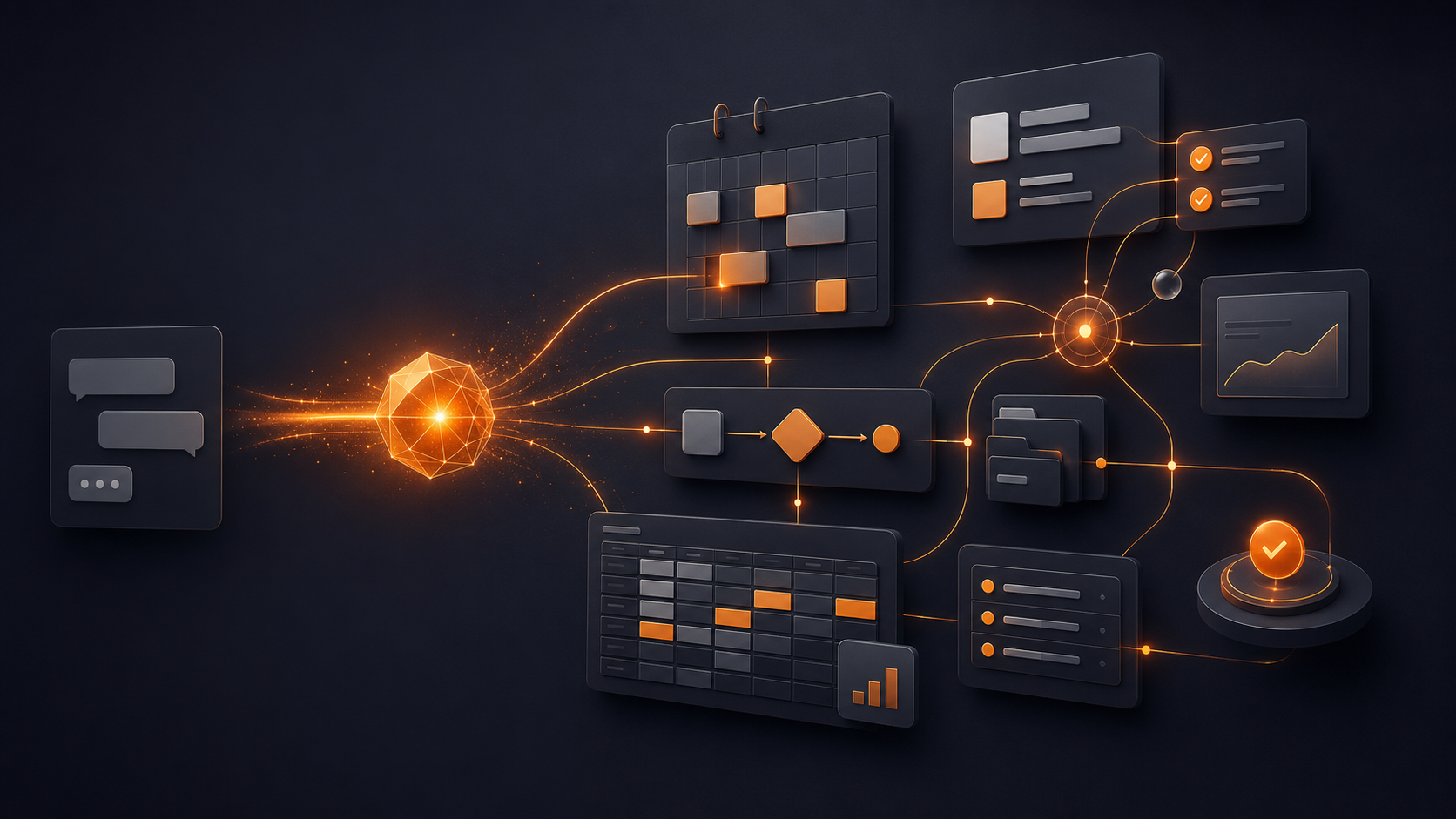
That is changing. The current generation of tools does not just answer, it acts. You describe the outcome you want, it plans the steps, and it comes back with something finished. These are what people mean when they talk about AI agents, and they have moved from novelty to genuinely useful faster than most of us expected.
What is an AI agent, in plain English?
An AI agent is simply AI that completes a task rather than answering a question about it.
The distinction matters more than it sounds. Ask a chatbot to help with your monthly report and it will give you advice, a structure, maybe some draft wording. Ask an agent and it will go and read the source files, pull out the numbers, build the document and hand it to you to check.
Think of it as the difference between a colleague you think out loud with and a colleague you delegate to. Both are valuable. They are just not the same thing.
The tools people are actually using
Two products have done the most to bring this into everyday working life.
Claude Cowork is Anthropic's agent for general knowledge work. It launched as a desktop app early in 2026 and became generally available across paid plans in April. It works directly with the files and folders on your computer, so it can reorganise a messy directory, pull data out of a stack of PDFs, build a report from several documents or run a piece of recurring work on a schedule. It asks permission before it does anything material, which is a sensible piece of design rather than a limitation. It has since expanded beyond the desktop, so you can start something at your desk and check on it from your phone.
ChatGPT Work is OpenAI's answer, launched in July 2026. It sits inside ChatGPT, gathers context from your connected apps and files, and returns finished materials: spreadsheets, slide decks, documents and small web apps. It replaced the earlier agent mode and is aimed squarely at business use, with the sorts of admin controls larger organisations tend to insist on.
Microsoft and Google are both building the same capability into the tools most offices already pay for, through Copilot in Microsoft 365 and Gemini across Google Workspace. For a lot of businesses, this is how agents will arrive: not as a decision anyone made, but as a feature that turns up in software they already use.
The competition between them is good news for the rest of us. It means capability is improving quickly and the cost of trying it is low.
What this actually looks like day to day
The examples that impress in a demo are rarely the ones that matter in real life. The genuinely useful work tends to be dull, which is rather the point:
- Turning a folder of receipts and invoices into a tidy expense summary
- Reading through several long documents and pulling out the handful of things that need a decision
- Building a first draft of a recurring report from the same three sources every month
- Reformatting a pile of inconsistent documents so they all match
- Preparing a briefing before a meeting from emails, notes and a calendar entry
None of that is glamorous. All of it is time you get back.
Where agents still need a human
This is the part that gets skipped in most articles about AI, so let us be straight about it.
Agents make mistakes, and they make them confidently. They can misread a document, pick the wrong figure or take an instruction more literally than you intended. They are also only as good as the material you point them at.
That does not make them unsafe, it makes them a capable assistant rather than an autopilot. Check the output, particularly anything going to a client or into a set of accounts. The teams getting the most from this are the ones treating it as delegated work that still needs reviewing, which is exactly how you would treat a task handed to a new starter.
The same applies to what you feed in. Be deliberate about confidential information, client data and anything covered by your obligations under GDPR. A quick internal ground rule on what is and is not appropriate to share saves a great deal of awkwardness later.
Five ways to get started this week
If you want to move from reading about this to actually using it, here is where to begin.
- Pick one repetitive task, not twenty interesting ones. Something you do every week that you find tedious. Repetition is what lets you get good at delegating it.
- Describe the outcome, not the steps. Agents work better when you say what you want to end up with and let them plan the route. "Turn these six files into a one page summary for the board" beats a list of instructions.
- Give it the context you would give a person. Who it is for, what format, how long, an example of something similar done well. Most disappointing results come from briefs that were too thin.
- Check the first few outputs properly. You are learning what it is reliable at, which is worth the time. After a few rounds you will know what needs checking and what does not.
- Write down what worked. The prompt or brief that produced a good result is worth keeping. That is how a one-off experiment turns into a repeatable process.
The honest summary
AI agents are not going to run your business, and anyone claiming otherwise is selling something. What they will do is take a meaningful chunk of the routine, repetitive work off your desk, provided you give them clear instructions and check what comes back.
The businesses pulling ahead are not the ones with the most sophisticated technology. They are the ones who picked a couple of real tasks, tried it properly, and built the habit. That is a far lower bar than the headlines suggest, and it is well within reach of any team willing to spend an afternoon on it.
Not sure where you stand with any of this? Our two minute AI Readiness Check gives you an honest read on where you are and what to do next.